Wing Trip Tours and Treks, Thori Lam. P. O. Box 1501 ,Thimphu, Kingdom of Bhutan
Menu
quick facts
FACTS ABOUT BHUTAN
National flag
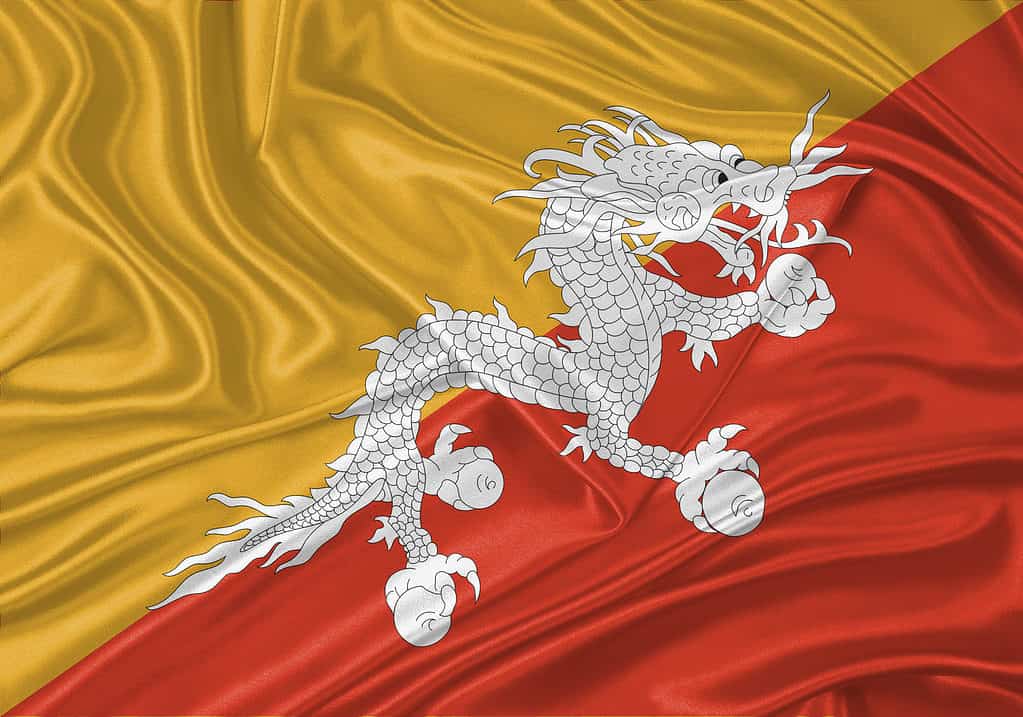
The National Flag is divided diagonally into two equal halves. The upper yellow half signifies the secular power and authority of the King while the lower saffron-orange symbolizes the practice of religion and the power of Buddhism, manifested in the tradition of Drukpa Kagyu. The Dragon signifies the name and the purity of the country while the jewels in its claws stand for the wealth and perfection of the country.
National game
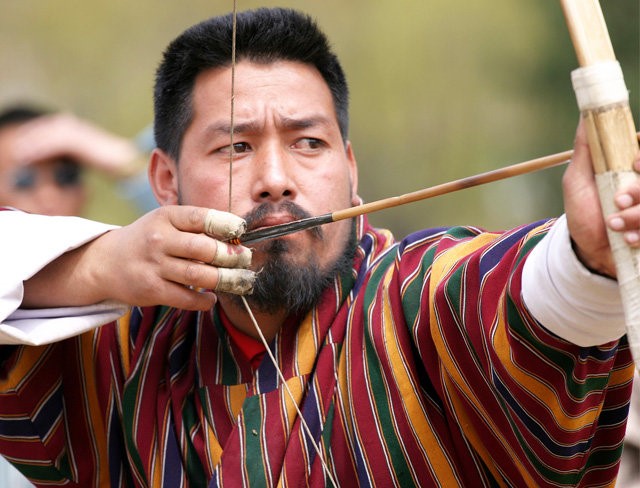
The national game is archery (dha). Archery was declared as the National sports in 1971 when Bhutan became a member of the United Nations. Butan also maintains Olympic archery team. Archery is played during public holidays in Bhutan and local festivals.
National emblem
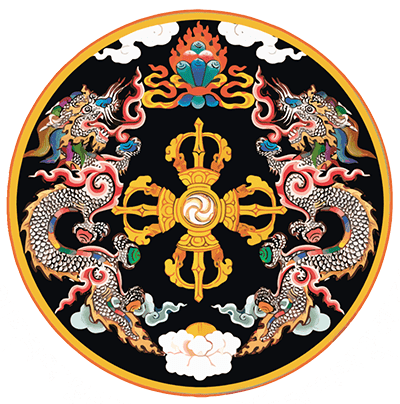
The National Emblem of Bhutan is a circle that projects a double diamond thunderbolt placed above the lotus. There is a jewel on all sides with two dragons on the vertical sides. The thunderbolt represents the harmony between secular and religious power while the lotus symbolizes purity. The jewel signifies the sovereign power while two dragons (male and female) represents the name of the country Drukyul or the Land of the Thunder Dragon.
National bird
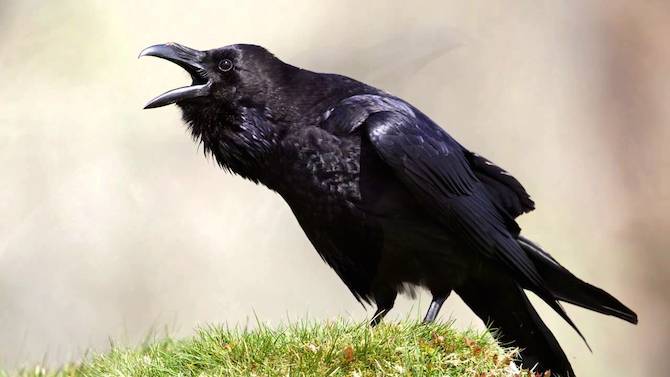
The National bird is the Raven. It adorns the Royal Crown. The raven represents the deity Gonpo Jarodongchen (raven headed Mahakala), one of the chief guardian deities of Bhutan.
National animal
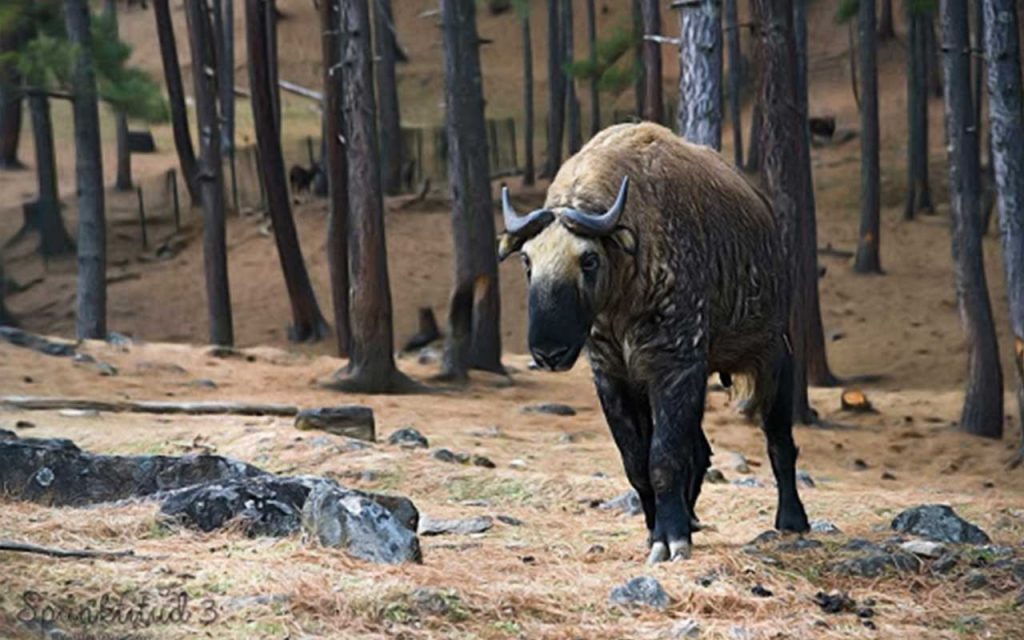
The national animal is the Takin (Burdorcus taxicolor) that is associated with religious history and mythology. It is a rare mammal with a thick neck and short muscular legs. It lives in groups and is found above 4000 meters on the north-western and far north eastern of the country.
National dress
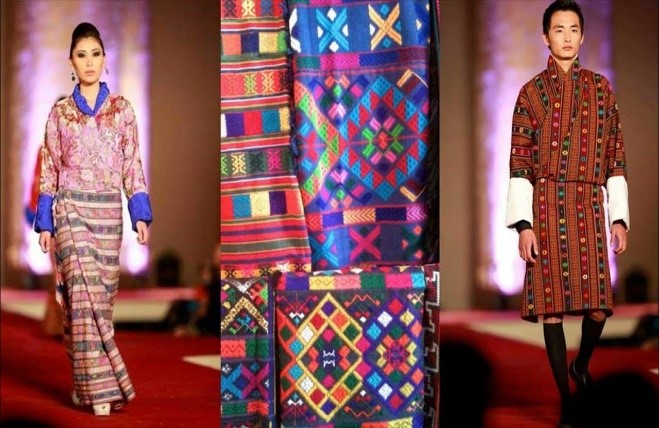
Men wear the Gho, a knee-length robe that is tied at the waist by a traditional belt known as Kera. Women wear the Kira, a long, ankle-length dress accompanied by a light outer jacket known as a Tego with an inner layer known as a Wonju.
National flower
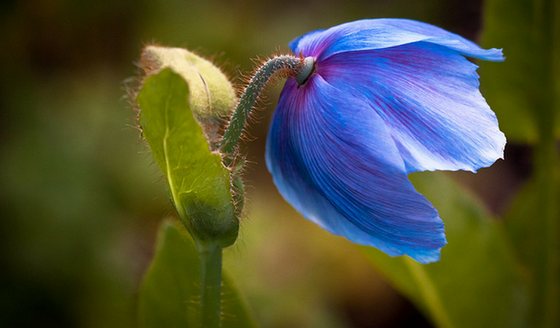
The National Flower is Blue Poppy (Meconopsis Gakyidiana). It is a delicate purple or blue tinged with purple blossom with distinctly concave petals. This species is currenly recorded in Eastern Bhutan namely Merak and Sakten, and grows at an elevation of 3700-4000 meters above sea level. Gakyidiana is an epithet based on the Dzongkha word for happiness, gakyid, to reflect Bhutan’s important cultural aspiration of “Gross National Hapiness” and diana is nomenclature term for the flower.
development philosophy
Promulgated by His Majesty the Forth King of Bhutan, Gross National Happiness (GNH) guides all development process of Bhutan. The central objective of GNH is to ensure a holistic and sustainable development by balancing the material and the non-material values.
National tree
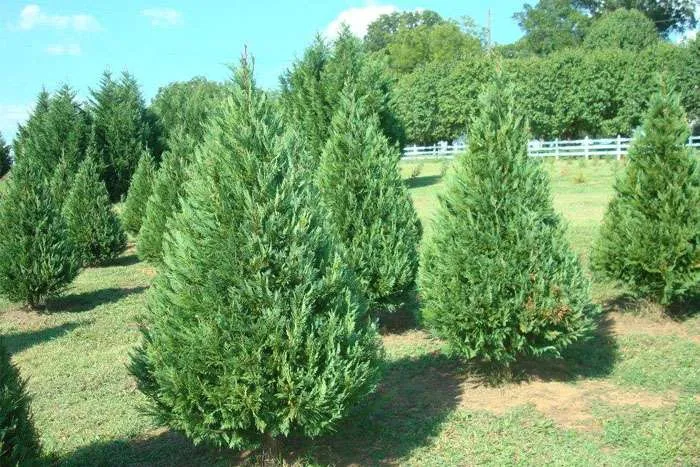
The National Tree is the Cypress (Cupressus torolusa). Cypresses are found in abundance and one may notice large cypresses near temples and monasteries, this tree is found in temperate climate zone, between 1800 and 3500 meters.
Climate and season
Bhutan has four seasons, Spring from March until April followed by Summer with occasional showers until late September. Autumn follows until late November, characterized by sunny days. Winter until March, with snowfall in regions above 3000 meters.