- wingtriptravel@gmail.com
- +975 - 1798-2556
- Wing Trip Tours and Treks, Thori Lam. P. O. Box 1501 ,Thimphu, Kingdom of Bhutan

religions of bhutan
WESTERN BHUTAN
THIMPHU: EVELATION 2,320M
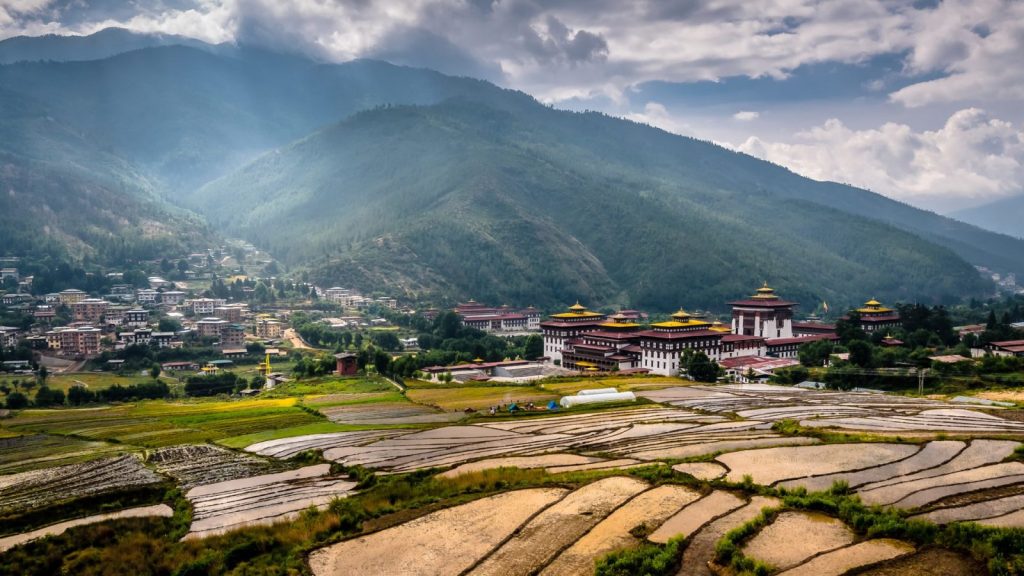
This is the capital of Bhutan with population of approximately 100,000 people. Thimphu became the capital in 1955 and the town is the largest in Bhutan. It is about and hour drive from airport in Paro. As you enter the valley you drive on Bhutan’s first four-lane express way which takes you right into the heart of town, over two dramatic flyover bridges.
Places to visit in Thimphu include the Textile Museum, the folk Heritage Museum, the Tashichodzong, the National Memorial Chorten and the vegetable market, a colorful market full of local produce and handicrafts. Visitors can visit numerous monasteries around the valley as well as vibrant nunnery.
The district of Thimphu, however, stretches beyond the town and goes past Dochula pass, the first mountain pass in the western part of Bhutan. The 108 Druk Wangyal chortens on the top of the pass where ridges are draped in colorful prayer flags provide a scenic view. On the clear day, you can see a panorama of the Himalayan mountain ranges.
PARO: EVELATION 2,320M
The broad Paro valley is the entry point for all visitors flying into Bhutan on the national carrier, Druk Air. As the plane takes a dramatic sweep into Paro, the flight captain usually warns relieved passengers not to worry if the aircraft’s wings appear to be almost touching the mountainsides.
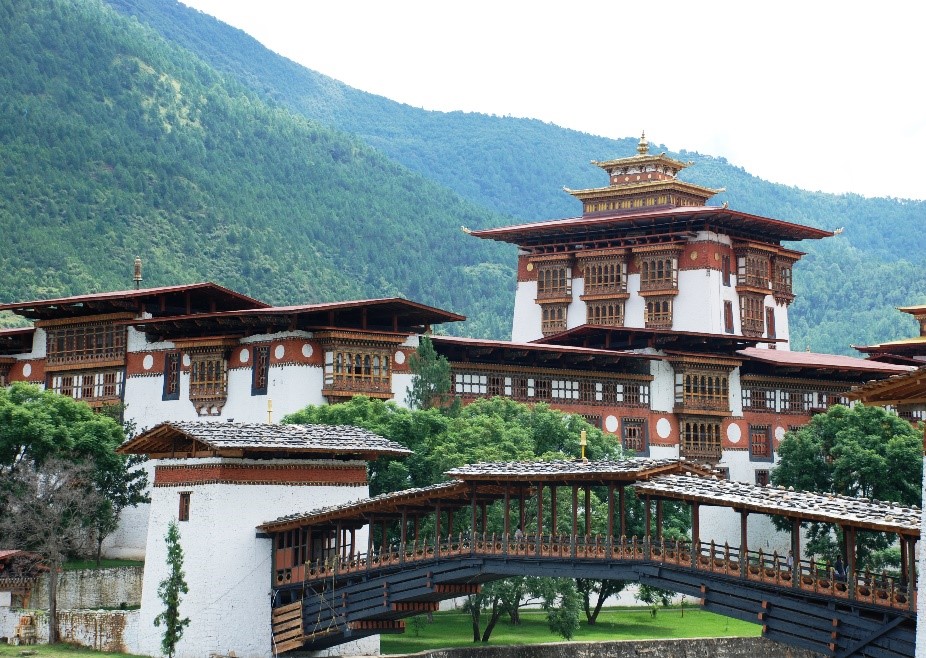
Places to visit includes the Paro Dzong, the National Museum housed in a round fortress called the Ta Dzong, and the ruins of the Drukgyal Dzong., a 17th century fortress that use to keep invading Tibetan forces at bay, destroyed in fire in 1951.
The Tigers Nest monastery or the Taktsang is one of the most spiritual heritage sites, perched precariously on the rockface of the sheer cliff 900m above the ground. It is a wonderful hike about 2 to 3 hours to the top.
For those less inclined to climbing, you can catch a good bird’s eye view from the bottom of the monastery.
PUNAKHA: EVELATION 1300M
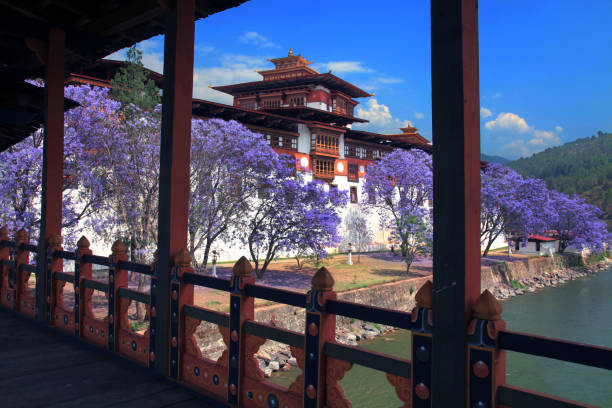
Punakha is the ancient capital of Bhutan, about 21/4 hours drive from Thimphu across Dochula Pass, you wind down into a warm fertile valley and meander along a gently flowing aquamarine river that leads you to the Punakha Dzong, he second to be built in Bhutan.
Built in 1637, the dzong continues to be the winter home for the clergy, headed by the Chief Abbott, the Je Khenpo. It is a stunning example of Bhutanese architecture, sitting at the fork of two rivers, portraying the image of a medieval city from a distance. The dzong was destroyed by the fire and glacial floods over the years but has been carefully restored and is, today, a fine example of Bhutanese craftsmanship.
Punakha is a sub-tropical valley where food grains, vegetables and fruits grow in abundance. A short drive up the valley is the Khamsum Yueley Namgyal chorten (stupa), constructed in 1992, as one of the three such chortens in the world. One being the National Memorial Chorten in Thimphu.
WANGDUEPHODRANG: EVELATION 1350M
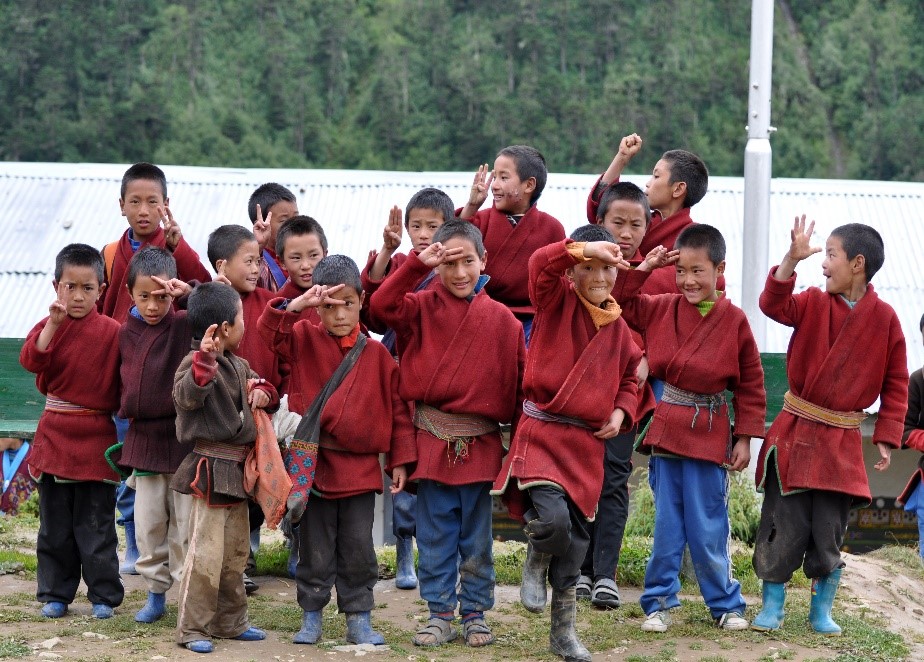
To the south of Punakha is the valley of Wangduephodrang as the national highway heads towards central Bhutan. The old town, a narrow street with single storied shops, will soon be replaced by brand new town carved out of the terraced rice fields.
Wangduephodrang dzong sits majestically on a steep ridge over looking the highway that forks to the east and south of the country.
As the road heads towards Trongsa in central Bhutan, a turn-off below Pelela pass takes you into the magical valley of Phobjikha, home to the rare Black-Necked Crane that has made Phobjikha its winter home for centuries. The birds fly in from Tibet in October and November and leave just for spring.
Another significant landmark in Phobjikha is the famous Gangtey Goenpa monastery, built in the 17th century.
CENTRAL BHUTAN
TRONGSA: EVELATION 2,316M
About four hours drive from Wangduephodrang is the central district of Trongsa, the ancestral home of Bhutan’s royal family and from where the first two kings ruled the kingdom.
Long before you reach it, you see the resplendent Trongsa Dzong in the valley center. Its labyrinth of temples, corridors, offices and living quarters for the monks add up to masterpiece in Bhutanese architecture preserved through professional restoration in 2004.
Trongsa is convenient place to halt for the night if you are travelling to the east or the south of Bhutan. The Trongsa Tsechu (festival) usually falls between late November and mid-December.
BUMTHANG: EVELATION 2,600M
Bumthang is often described as the spiritual heartland of the kingdom. There are numerous monasteries and spiritual sites in this charming valley where history and mythology help to bring alive much of Bhutan’s culture and traditions, Bumthang is a picturesque valley of beautiful houses, and fields of buckwheat, barely and apples.
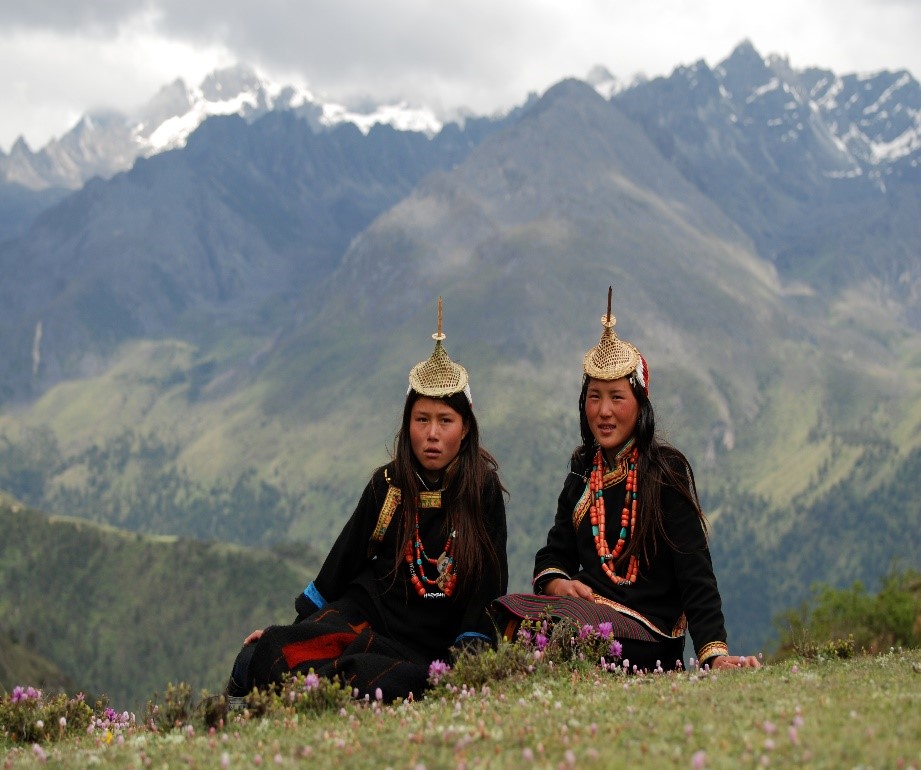
A strong sense of spirituality pervades the atmosphere and, at auspicious time of the year, the valley resounds with the chants of the spiritual community as temples all over offer prayers for the well-being of the all sentient beings.
Some of the well-known temples includes, Kuejey Lhakhang (associated with Guru Rinpochoe, who brought Tantric Buddhism to Bhutan and Tibet), Jamba Lhakhang (dating from the 8th century) and the historic Jakar Dzong.
Bumthang’s Tsechu is well known and even its small local festivals are a privilege to attend to catch an insight of the culture and spirit of Bhutan.
EASTERN BHUTAN
For those with enough time on their hands venture into eastern Bhutan for something quite different. This is a land of the Sharchops who speak their own language and nurture their own culture and weave beautiful textiles.
TRASHIGANG: EVELATION 1,151M
Trashigang, the largest districts of Bhutan, is 3 hours’ drive from Mongar and 547 km from Thimphu. The historic Trashigang Dzong, atop a vertical hill above the Sherichu river, is a fine example of the strategic role that these monastic fortresses played in keeping enemies out in ancient times.
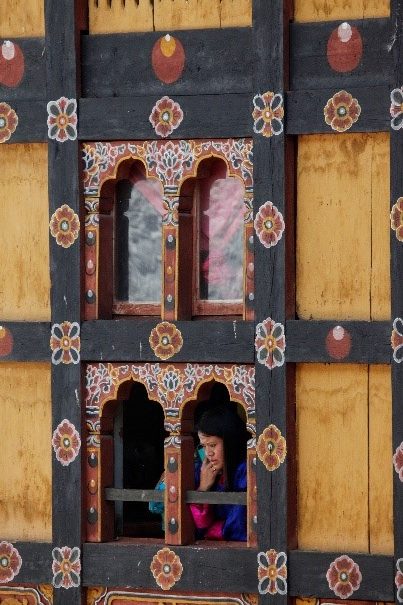
The Trashigang town has cleverly expanded up to the steep mountainside to provide basic essentials for the large population tat come from long distance to shop her. Half an hour drive from Trashigang is Kanglung, a new town that has grown around the country’s only college, offering undergraduate degrees to about 1000 students.
TRASHIGANG: EVELATION 1,151M
A 3.5-hour drive from Trashigang is Trashi Yangtse, the eastern home of the Black-Necked Crane, bordering Indian district of Arinachal Pradesh. Both Bhutanese and local tribes from across the border enjoy the chorten Kora festival at Trashi Yangtse.
The Southern Region.
The southern town of Samdrup Jongkhar is a small border town, six hours drive from Trashigang, with generally warm weather, the district is ideal for birdwatching.
Phuntsholing: elevation 1828m
To the southwest lies Phuntsholing, a bustling industrial town that is the southern gateway to India.
It’s the drive from Phuntsholing to Thimphu that makes the journey from the south worthwhile as the highway takes you on a slow journey from the tropical plains through changing vegetation up to the higher altitudes of the Himalayan kingdom.