- wingtriptravel@gmail.com
- +975 - 1798-2556
- Wing Trip Tours and Treks, Thori Lam. P. O. Box 1501 ,Thimphu, Kingdom of Bhutan

people
Bhutan is one of the least densely populated countries in the world, with 79 percent living in the rural areas.
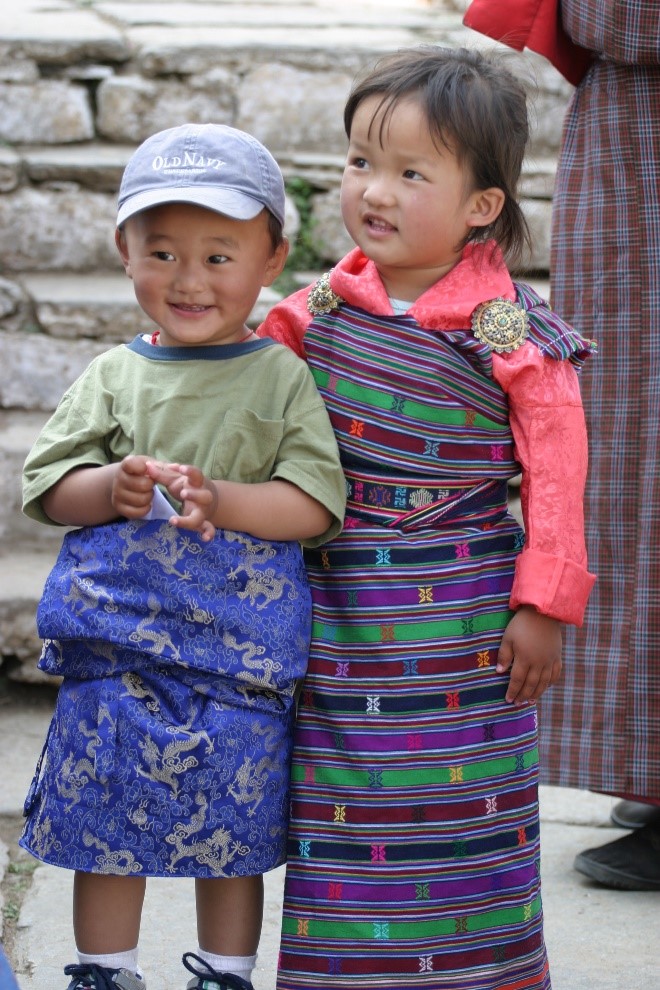
The Kingdom’s independent history explains the nature of its people who natural, confident, and gentle. Bhutanese people share a good sense of humour and are widely accepting of different cultures.
People from the western of the country are often referred as “Ngalops” descendent of Tibetan immigrants whi arrived in Buhtan from the 9th century. In the East. Are Sharchops, widely believed to be the original inhabitants of the country. To the south are the Lhostampas, largely descendents of immigrants from Nepal who settled in Bhutan in the 19th century.
Bhutanese people are strongly independent in spirit and outlook. Not ever having been colonized, traditional Bhutanese society was characterized by small scattered communities living in isolation with little contact with one another. The first motorable road was built in Bhutan only in 1961, linking Bhutan to India in the south and eventually developing into a national highway that stretches across the country.
Bhhutanese communities, therefore, retain a strong sense of individualism. We have the “Bumthaps” or people from Bumthang, and the Mangdheps in Trongsa, the Khengpas in the central region of Zhemgang, the nomadic “Layaps” in the North west, the
“Brokpas” in the estern villages of Merak and Sakten, the “Doyas” or “Lhops” in southern districts of Samtse, and the Lepchas in the south.
While Dzongkha is the national language, and English is widely spoken, Bhutan has registered 19 languages and dialects. The diversity in language and culture is an indication of the cultural richness and heritage of the small country.
People in Bhutan, npo matter how simple their rural lives are, have a welcome smile for every visitor. Then Bhutanese people are gracious hosts and treat visitors as guest. Bhutanese hospitality is even more evident in the rural villages where the local people genuinely welcome visitors as honored guests.